
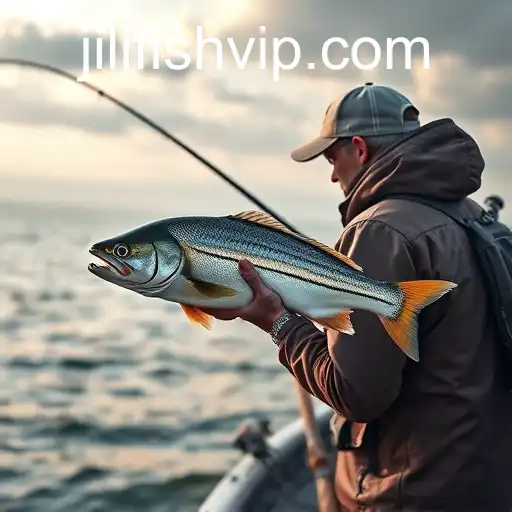
JILIFISH | The Fascinating World of Fishing: Exploring the Art and Science
JILIFISH’s An exploration into the multifaceted world of fishing, highlighting its history, techniques, technology impact, and cultural significance. Delving into the concept of JILIFISH, sustainable practices, and the enduring connection between humans and the aquatic environment.
The Fascinating World of Fishing: Exploring the Art and Science
Understanding Fishing: More Than Just a Hobby
Fishing is a passion that transcends generations, cultures, and nations. It is both an art and a science, requiring skill, patience, and a deep understanding of the natural world. The practice of fishing has evolved over the centuries, transforming from a primary means of sustenance to a beloved recreational activity.
The Historical Significance of Fishing
The history of fishing can be traced back to ancient times when humans first began to utilize natural resources for survival. Early humans used rudimentary tools like spears and nets to capture fish from rivers, lakes, and oceans. As civilizations progressed, so did the methods of fishing, leading to the development of more sophisticated equipment and techniques.
In many cultures, fishing has held a place of honor and tradition. From the ceremonial practices of indigenous communities to the thriving fishing markets of the medieval period, fishing has been integral to the livelihood and culture of countless peoples around the world.
The Role of Technology in Modern Fishing
With the advent of technology, fishing has become more efficient and accessible. Innovations such as fish finders, GPS technology, and advanced lure designs have revolutionized the fishing experience. These technologies allow anglers to target specific species, improve their catch rates, and explore new fishing grounds with ease.
However, the rise of technology in fishing has also presented challenges, including overfishing and environmental impact. The balance between technological advancement and sustainability is a crucial consideration for the future of the fishing industry.
JILIFISH: A Unique Aspect of Fishing
One of the intriguing facets of fishing is the concept of "JILIFISH," which refers to a specialized approach or species within the fishing community. JILIFISH has become a term that represents a unique method or niche in the world of fishing, often involving specific techniques or targeting rare fish species.
Anglers who embrace the idea of JILIFISH are often seen as pioneers, exploring uncharted territories and pushing the boundaries of traditional fishing methods. This approach allows for a deeper connection with nature and a profound appreciation for the diversity of aquatic life.
Fishing Techniques and Strategies
Fishing encompasses a wide range of techniques, each designed to target different species and environments. Some of the most popular methods include:
- Fly Fishing: An artful technique that involves using a lightweight lure or "fly" to mimic the appearance of insects that fish feed on.
- Deep-Sea Fishing: A thrilling method that takes anglers into the open ocean to catch large, powerful fish such as tuna and marlin.
- Ice Fishing: A unique approach practiced in colder climates, where anglers drill holes in frozen lakes to access fish beneath the ice.
- Freshwater Fishing: Targeting fish in rivers, lakes, and streams, often requiring specialized knowledge of local ecosystems.
Each technique demands its own set of skills, equipment, and understanding of fish behavior, making fishing a dynamic and ever-evolving pursuit.
The Environmental Impact of Fishing
While fishing is a beloved pastime, it is not without its ecological challenges. Overfishing, habitat destruction, and pollution pose significant threats to aquatic ecosystems worldwide. The commercial fishing industry, in particular, has garnered attention for its impact on marine biodiversity.
Efforts to promote sustainable fishing practices aim to mitigate these impacts through regulations, conservation initiatives, and public awareness campaigns. By balancing human needs with environmental stewardship, it is possible to preserve the health of our oceans and freshwater bodies for future generations.
The Social and Economic Importance of Fishing
Fishing plays a vital role in the social and economic fabric of many communities. It is a source of employment, a driver of local economies, and a way of life for millions of people globally. In coastal regions, fishing contributes significantly to the food supply and shapes cultural identities.
Recreational fishing, too, has grown into a multi-billion dollar industry, attracting tourists and outdoor enthusiasts from around the world. Fishing tournaments, guides, and tackle shops all contribute to the economic impact of recreational fishing.
Fishing as a Form of Relaxation and Connection
Beyond its economic and practical significance, fishing offers a unique form of relaxation and connection to nature. Anglers often describe the experience of fishing as meditative, providing an opportunity to unwind, reflect, and appreciate the beauty of the great outdoors.
For many, fishing is a cherished family tradition, a chance to bond with loved ones, and a way to create lasting memories. It is a hobby that fosters patience, resilience, and a profound respect for the natural world.
Conclusion: The Enduring Legacy of Fishing
Fishing remains a timeless pursuit that captivates the hearts and minds of people from all walks of life. Whether through the lens of modern technology or traditional methods, the essence of fishing lies in its ability to connect humanity with nature. As we look to the future, embracing sustainable practices and preserving aquatic ecosystems will be essential in ensuring that the art of fishing continues to thrive for generations to come.
